
A leaflet that goes wrong is reprinted. Five hundred embroidered polos that go wrong are five hundred polos, and the stock is already decorated.
That single fact reshapes the whole approval conversation. In promotional products the proof is not the last check before printing — it is the last check before blanks are bought, screens are burned, a stitch file is digitised and a delivery date that belongs to somebody's conference stops being negotiable.
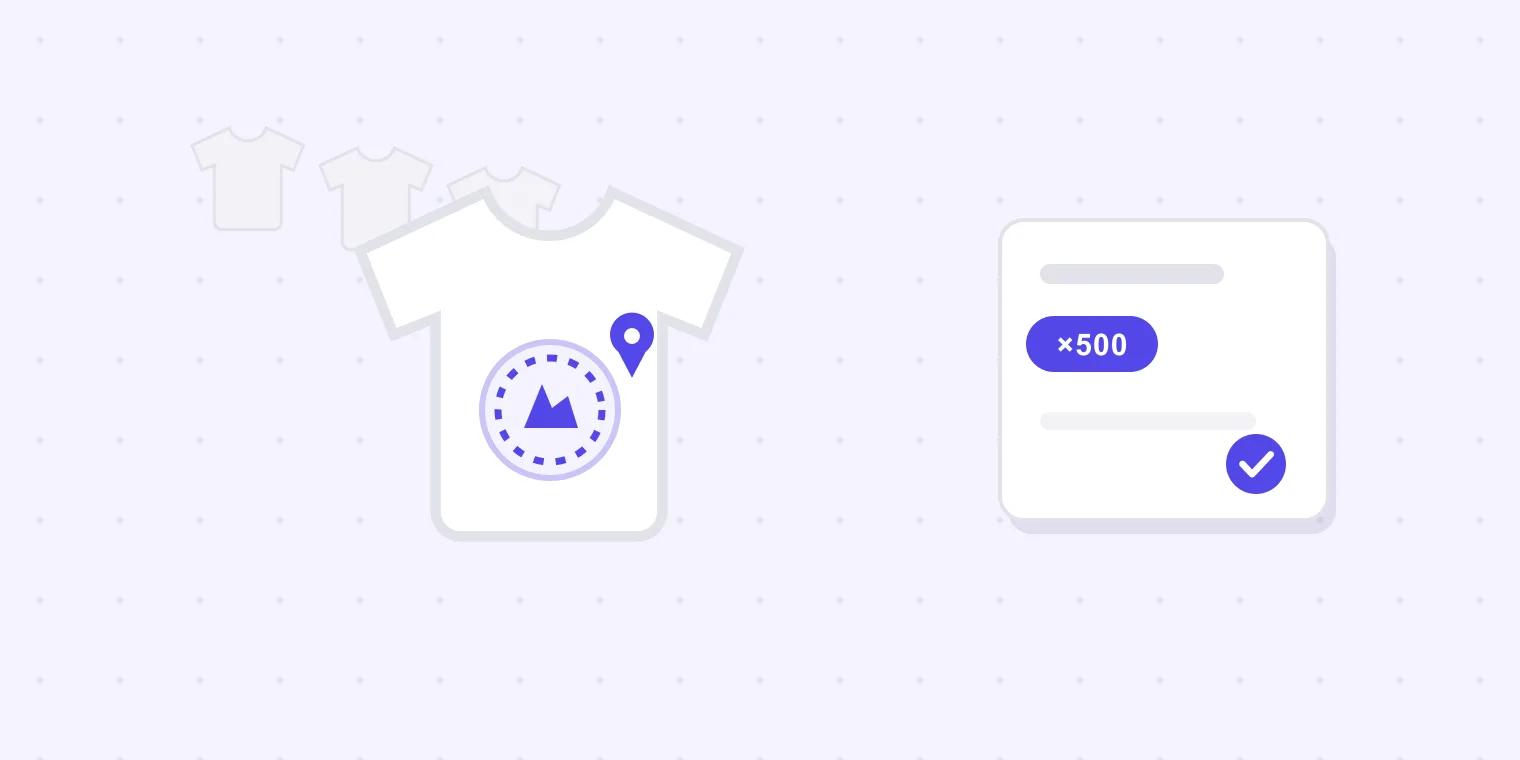
Why promo proofs fail differently
The decoration method changes the artwork itself. The same logo is not the same artwork screen printed, embroidered, pad printed, laser engraved or printed in full colour. Embroidery loses fine detail and thin strokes and gains an outline; laser engraving has no colour at all; pad printing on a curved surface distorts anything near the edge. A customer who approved "our logo" approved it in the abstract.
The logo file arrives as a JPEG from their website. Ninety pixels wide, white box behind it, three shades of red that used to be one. Everything downstream — vector redraw, colour matching, stitch digitising — is interpretation, and interpretation is exactly the thing that needs approving rather than assuming.
Imprint colours are ink and thread, not screen. PMS numbers on coated versus uncoated stock, thread charts that do not map to PMS at all, and a phone screen that will happily show a red none of them can hit. Approving colour on a display and settling it are two different things.
The imprint area is fixed by the product, not by taste. The supplier's spec says 50 × 25 mm on that pen, and a logo that needs to be legible at 50 mm wide is a different logo from the one on their letterhead. Deciding this after approval means deciding it again.
A change after sign-off is not free, and not fast. New screens, a re-digitised stitch file or a second setup charge, plus the days they cost. On promo work the money and the calendar move together.
Somebody else's proof is in the chain. The supplier issues a virtual proof, you forward it, the customer replies to you. Three parties, two systems and one thread is where a "yes" gets attached to the wrong render.
What to put in front of the customer
State the decoration method and the imprint size on the proof. Not in the covering note — on the artwork: screen print, 1 colour, 220 × 180 mm, left chest. It travels with the file when the file gets forwarded, which is what always happens.
Show the imprint area, not just the logo. The product outline with the printable area marked answers "why is it so small" before it is asked, and it turns a taste conversation into a spec conversation.
Name the colours as ink, with the caveat in writing. Imprint PMS 186 C, one colour. Screen colour is a guide rather than a match; thread and ink on this material will differ. That sentence belongs in the proof, before production, because after delivery it is an excuse rather than a term.
Say what you did to their logo. "Redrawn from the JPEG you sent", "simplified for embroidery — the thin rule under the wordmark would not stitch", "converted to one colour". Customers accept these readily when told and contest them when discovered.
Re-approve the supplier's virtual proof yourself. Forwarding it is not the same as approving it. If the supplier's render is what production will follow, that exact render is what the customer's yes has to name.
Ask who signs and when they are available. Promo orders die on a decision-maker who is at the event they are ordering for. Establish this while there is still slack in the schedule.
Sign-off when the deadline is an event
Two lines do most of the work on a promo job.
The approval names the version. "Approved" three rounds in points at nothing. "Approved v3" is a fact you can put next to a purchase order.
The proof states what a change now costs in days, not only in money. Changes after this approval mean new screens and add about four working days. A customer weighing a small tweak against their event date will usually decide correctly if you give them the date. They cannot decide correctly if you only give them the fee.
Where a review link helps
This is our own tool, so read the paragraph accordingly.
Proofavo puts the proof behind one link instead of an attachment. The customer opens it with no account and no app, which matters on promo work because the approver is often a marketing coordinator on a phone, between the supplier's email and yours.
Comments land as pins on the artwork, so "the logo is too far left" arrives attached to the logo rather than as a sentence you have to translate onto a spec sheet. There is always exactly one current version, and the approval is bound to that precise file: an approval record naming the version, the person and the time, with a SHA-256 fingerprint of the approved artwork. On a multi-item order sent as a multi-page PDF, the approval dialog states how many pages the customer actually opened — which is the difference between the polos being approved and the tote bags being assumed.
Flat workspace pricing, from $29.90/month, and the people approving never cost a seat — the customer, their colleague and the supplier contact you had to loop in are all free.
What it does not do: it is not a product catalogue, it does not hold supplier spec sheets, and it will not tell you whether a logo will stitch. It is the layer where a person agrees to a specific file, and where that agreement is written down.